
Exploring Thai Rice Farmers’ Way of Life and Rice Production Innovations at Na Here Chai Learning Center, Suphan Buri.
Exploring Thai Rice Farmers’ Way of Life and Rice Production Innovations at Na Here Chai Learning Center, Suphan Buri
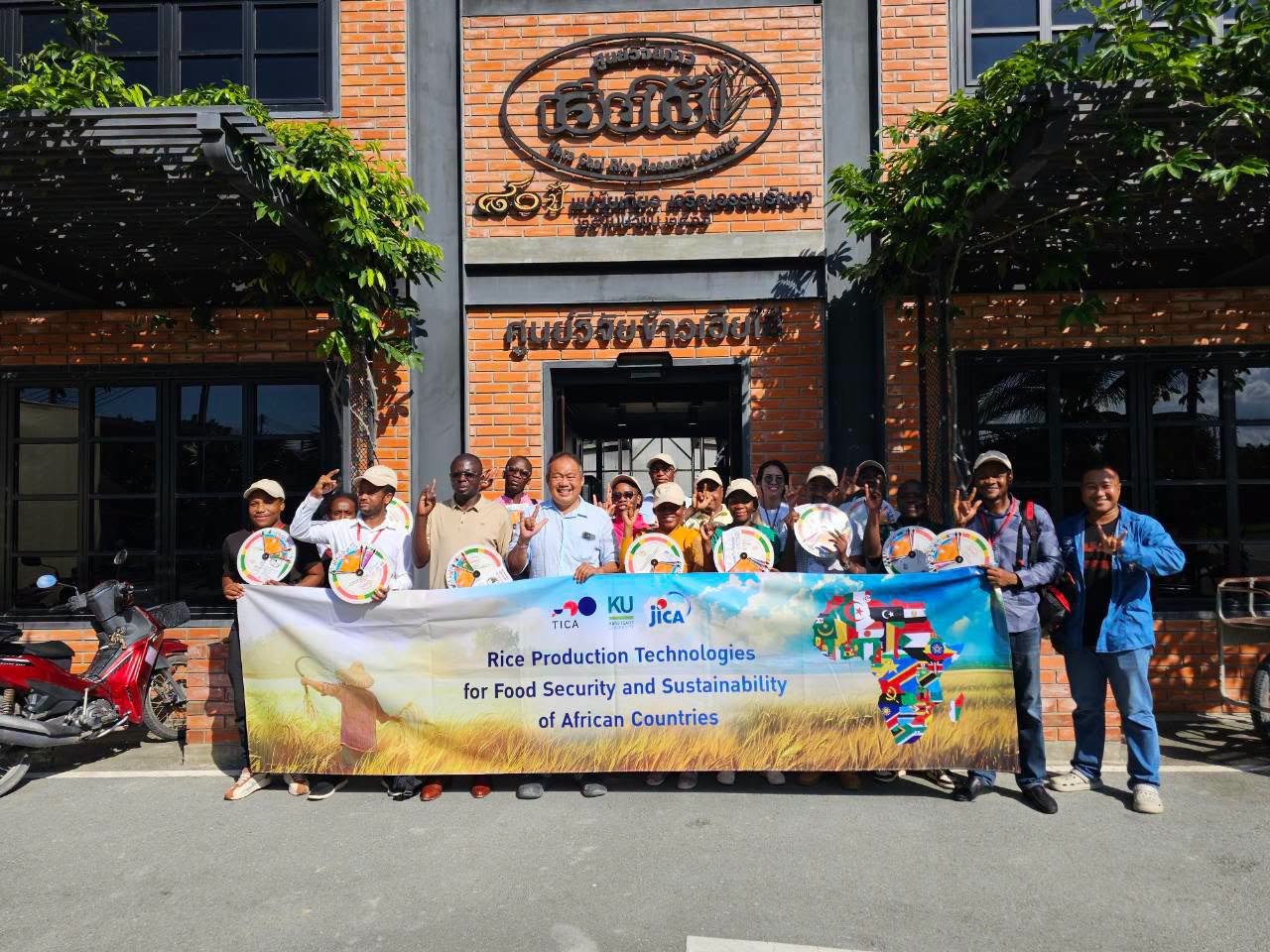
Participants in the international training course “Rice Production Technologies for Food Security and Sustainability of African Countries 2026 Batch 3,” organized by The Office of Extension and Training Kamphaengsaen, Kasetsart University, in collaboration with JICA and TICA, visited the Thai Farmers’ Way of Life and Spiritual Learning Center, Na Here Chai, Suphan Buri Province.
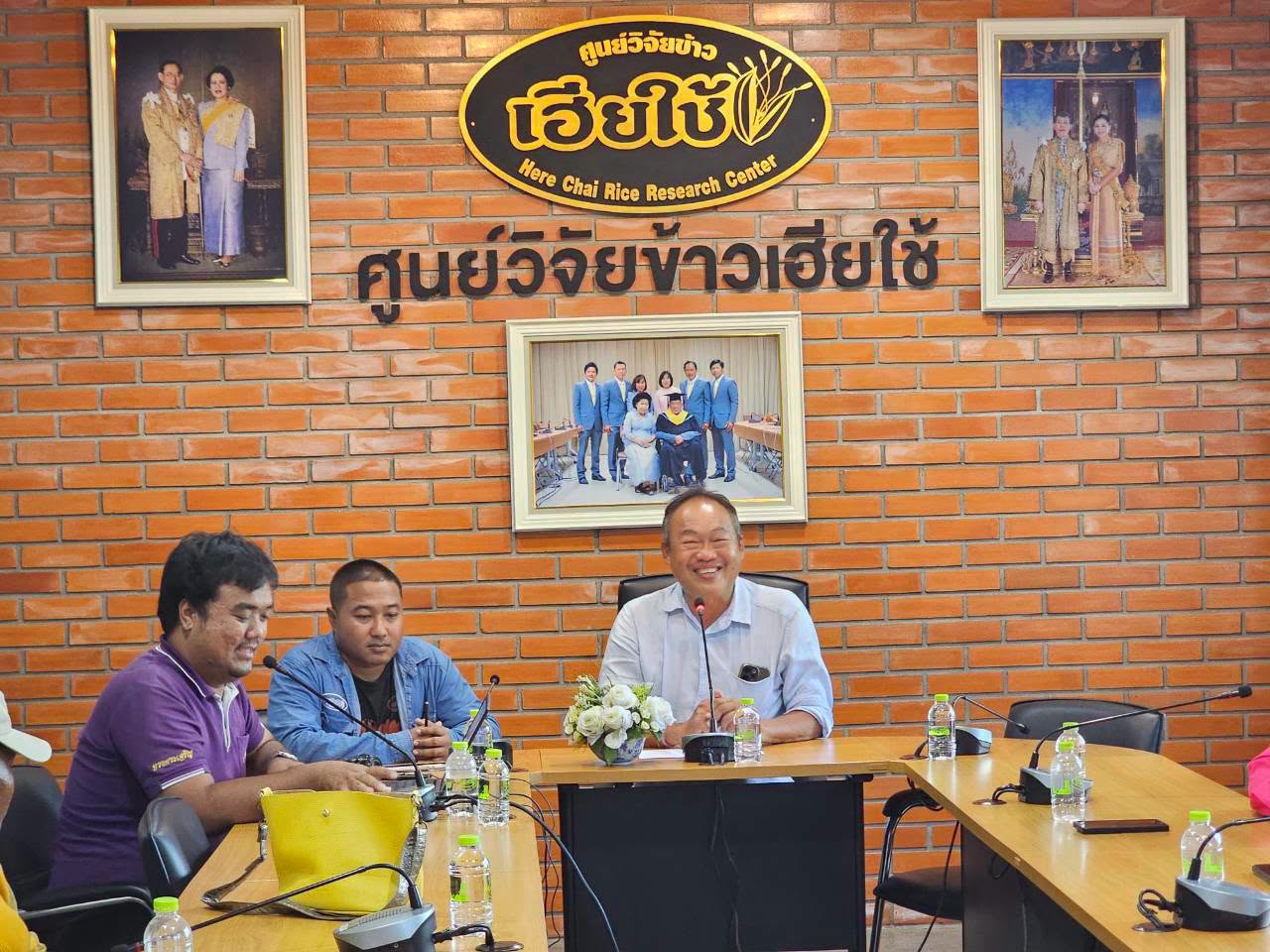
Na Here Chai is a learning center that shares the way of life, local wisdom, and agricultural development of Thai rice farmers. The center is closely linked to the “Hia Chai” rice seed business, which has produced rice seeds since 1997 with a focus on high-quality and genetically pure seed for farmers.
Tipgaysorn
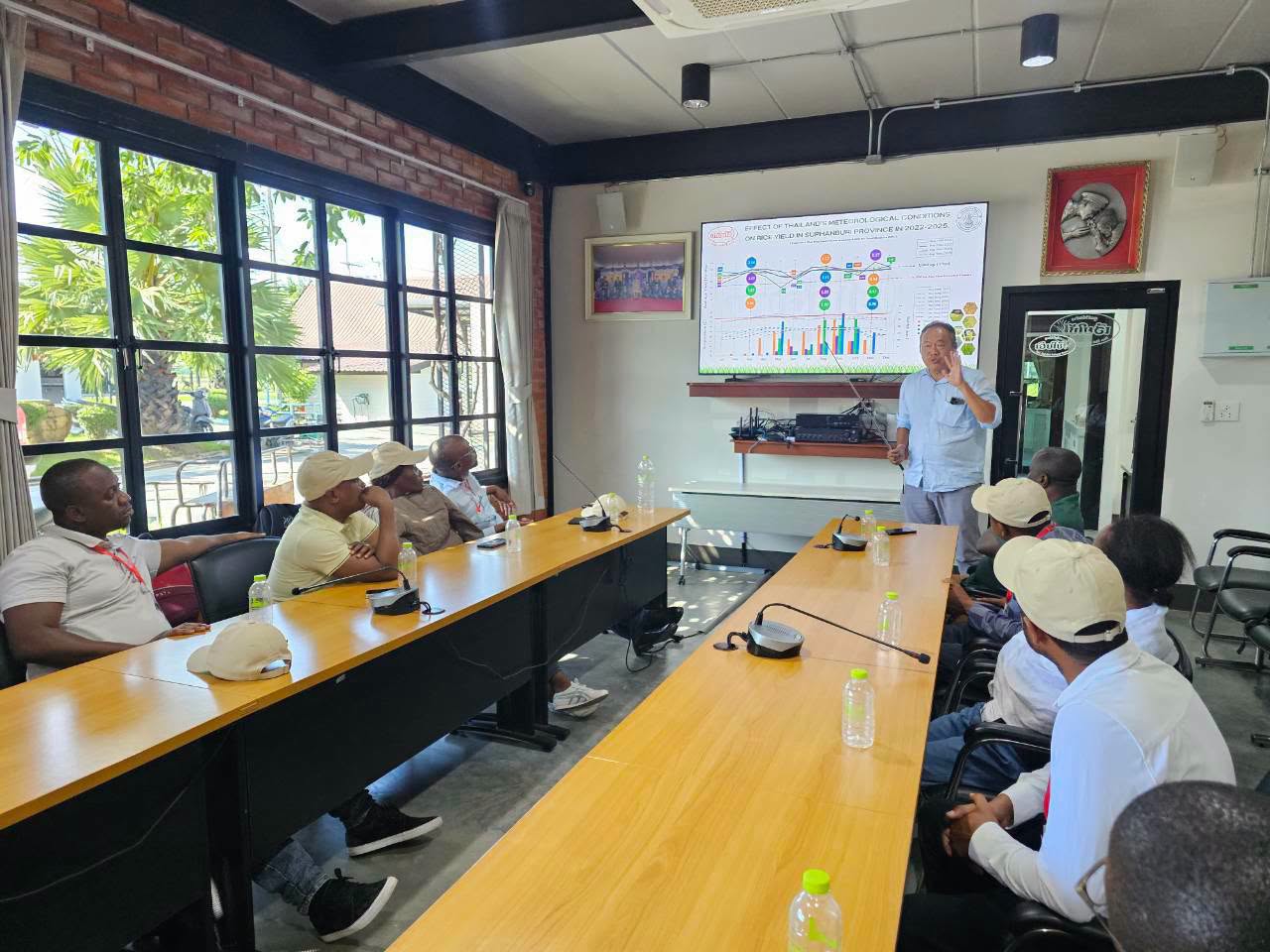
During the visit, participants attended a lecture on the importance of rice in the lives of Thai farmers, as well as rice production systems—from variety selection and seed production to seedling preparation and field management.
The group then visited the rice seedling nursery area and learned about the production of seedling mats or tray-grown seedlings. This approach helps produce uniform and vigorous seedlings suitable for mechanical transplanting, supporting more efficient labor and crop management in larger rice fields. The center also demonstrates seedling preparation and rice transplanting technologies adapted to field conditions.
Bangkokbiznews
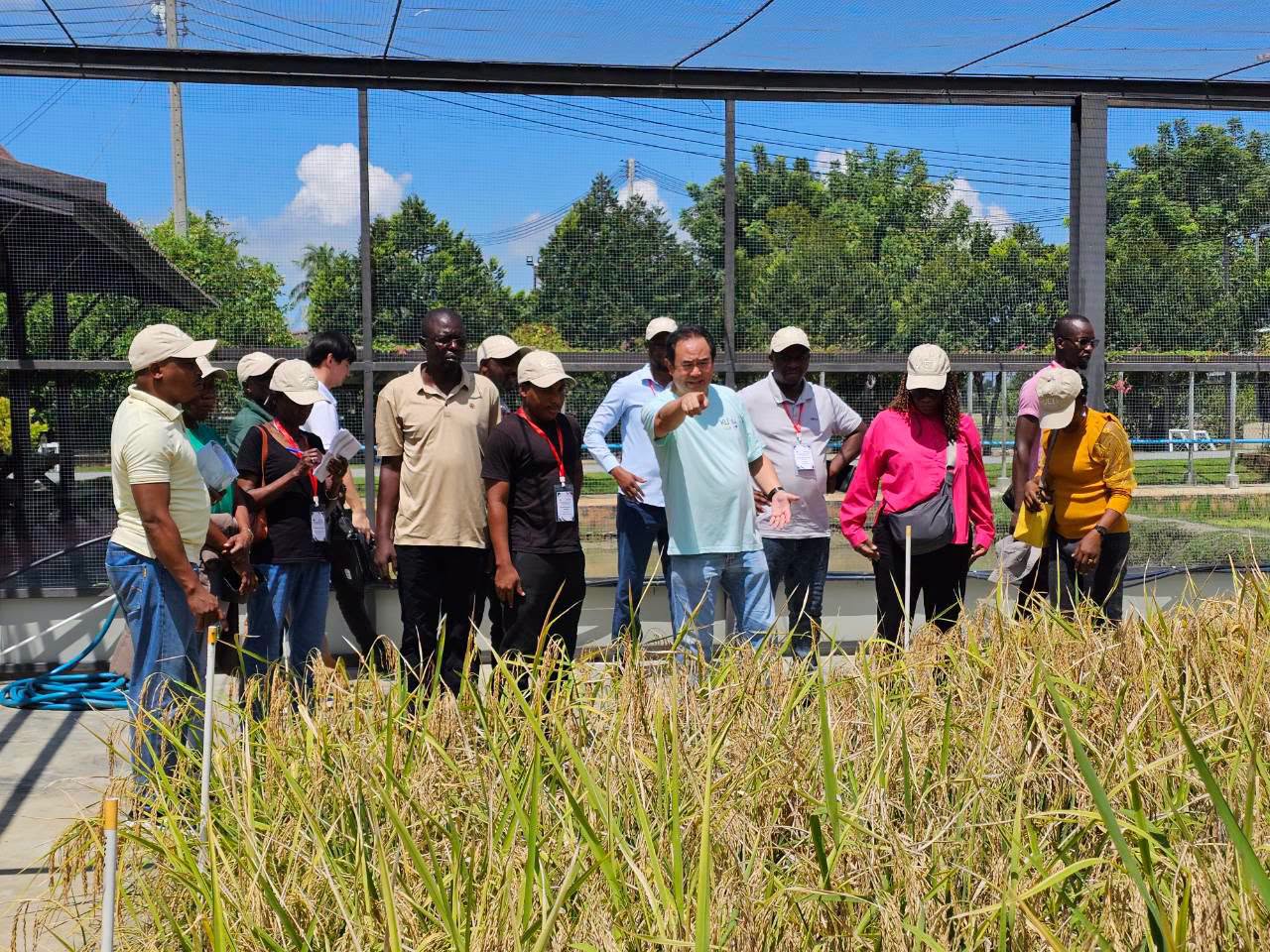
Participants also observed demonstration rice fields and rice variety management practices, reflecting the connection between traditional rice knowledge and modern agriculture—from rice variety conservation and selection to the production and distribution of quality rice seed for farmers.
This field visit enabled participants to gain practical experience from a Thai rice and seed production learning site, while exchanging perspectives on strengthening seed systems, seedling production technologies, and sustainable rice cultivation for adaptation in their respective countries.
Views: 21

