
Study visit & Execution | Series Ep.6 : Elevating Thai Rice to International Standards: A Study Visit to Ban Prong Khae Organic Rice Community Enterprise in Wang Thong District, Phitsanulok Province
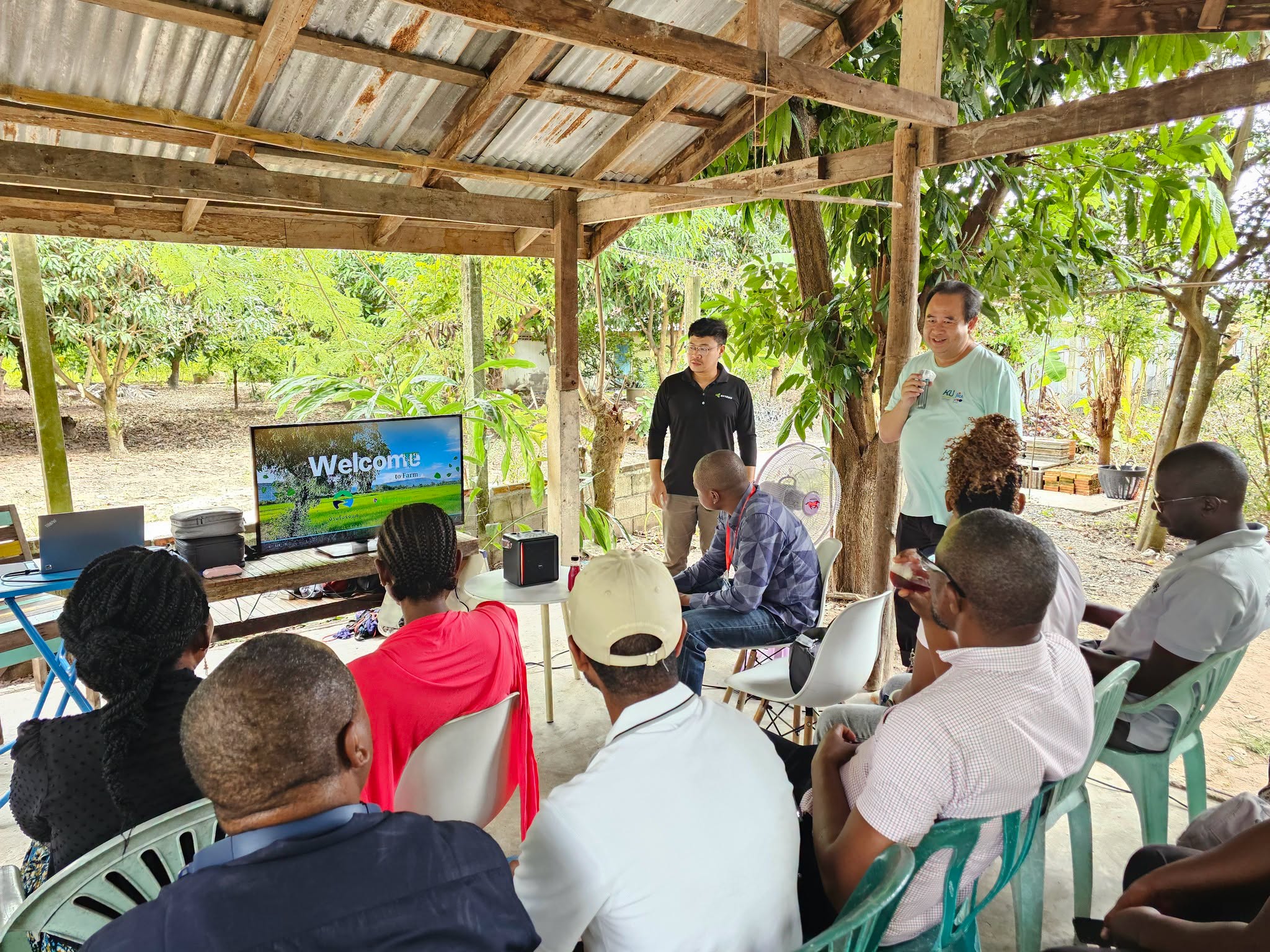
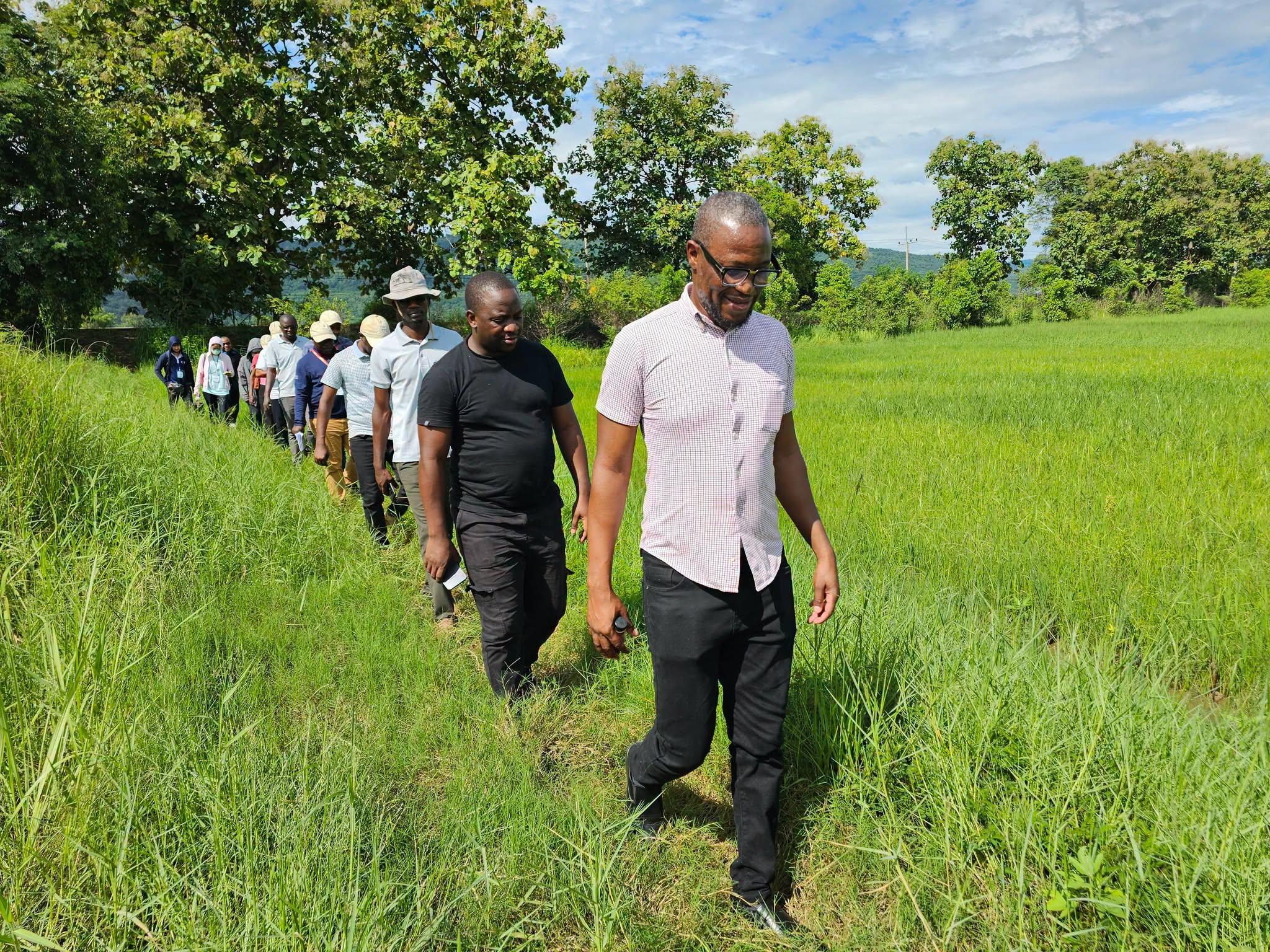
The international training course “Rice Production Technologies for Food Security and Sustainability of African Countries 2026 Batch 3,” organized by the Kamphaeng Saen Extension and Training Center at Kasetsart University in collaboration with JICA and TICA, brought participants to learn about the success of the Ban Prong Khae Organic Rice Community Enterprise. The enterprise serves as a model for transforming traditional rice farming into 100% organic rice production to enhance product value, increase farmers’ income, and promote sustainability.
Key Highlights of Ban Prong Khae Community Enterprise
- International Organic Certification: The community has collectively developed its organic rice production system and obtained certification under Organic Thailand, EU Organic, and USDA Organic standards. Its products are supplied to international markets, including European markets.
- Value-Added Processing and Community Branding: The enterprise processes, mills, and packages high-quality organic rice under its own community brand, catering to health-conscious consumers.
- A Sustainable Agriculture Learning Center: The enterprise shares knowledge of bio-compost production and high-value agricultural plot management with local communities.
Reflections from Participants: Following the study visit, a representative from Rwanda shared valuable insights and key lessons that could be adapted and applied in the future:
- The Importance of Certification Standards: Organic rice production for export requires recognized standards and formal quality inspections and certification to ensure compliance with market requirements.
- Challenges in Maintaining Certification Standards: Farmers must remain committed to maintaining product quality and consistency to pass regular inspections and renew their organic certification annually.
This study visit broadened participants’ perspectives on agricultural product standards and certification management, contributing to food security, sustainable agricultural development, and enhanced competitiveness in international markets.

Views: 20

