
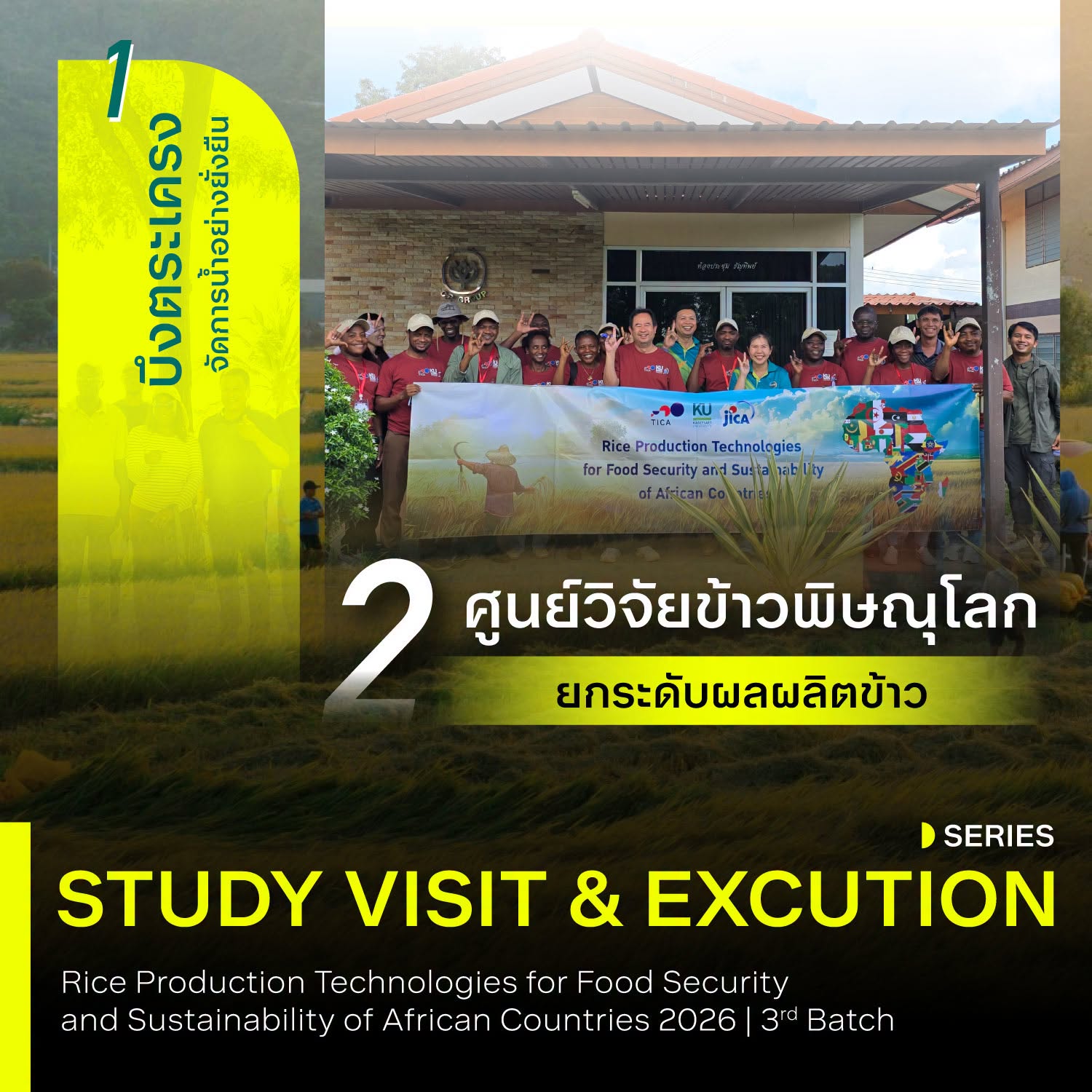
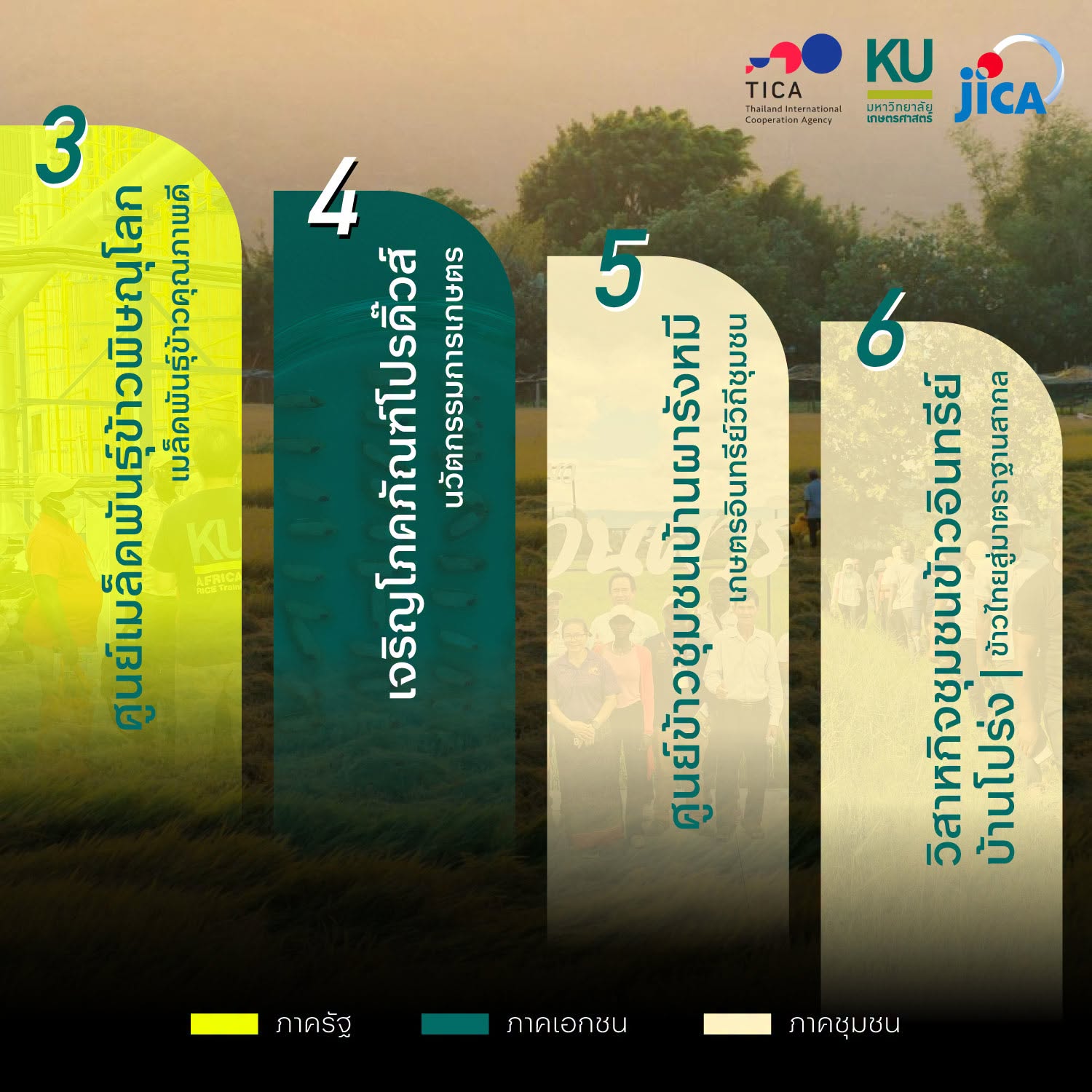
Study visit & Execution | Series Ep.2 : Learning Lessons from the "Bang Rakam Model" for Sustainable Water Management! Taking delegates from Zambia on a study visit to "Bueng Ta Kraeng", a natural monkey cheeks reservoir model in Phitsanulok
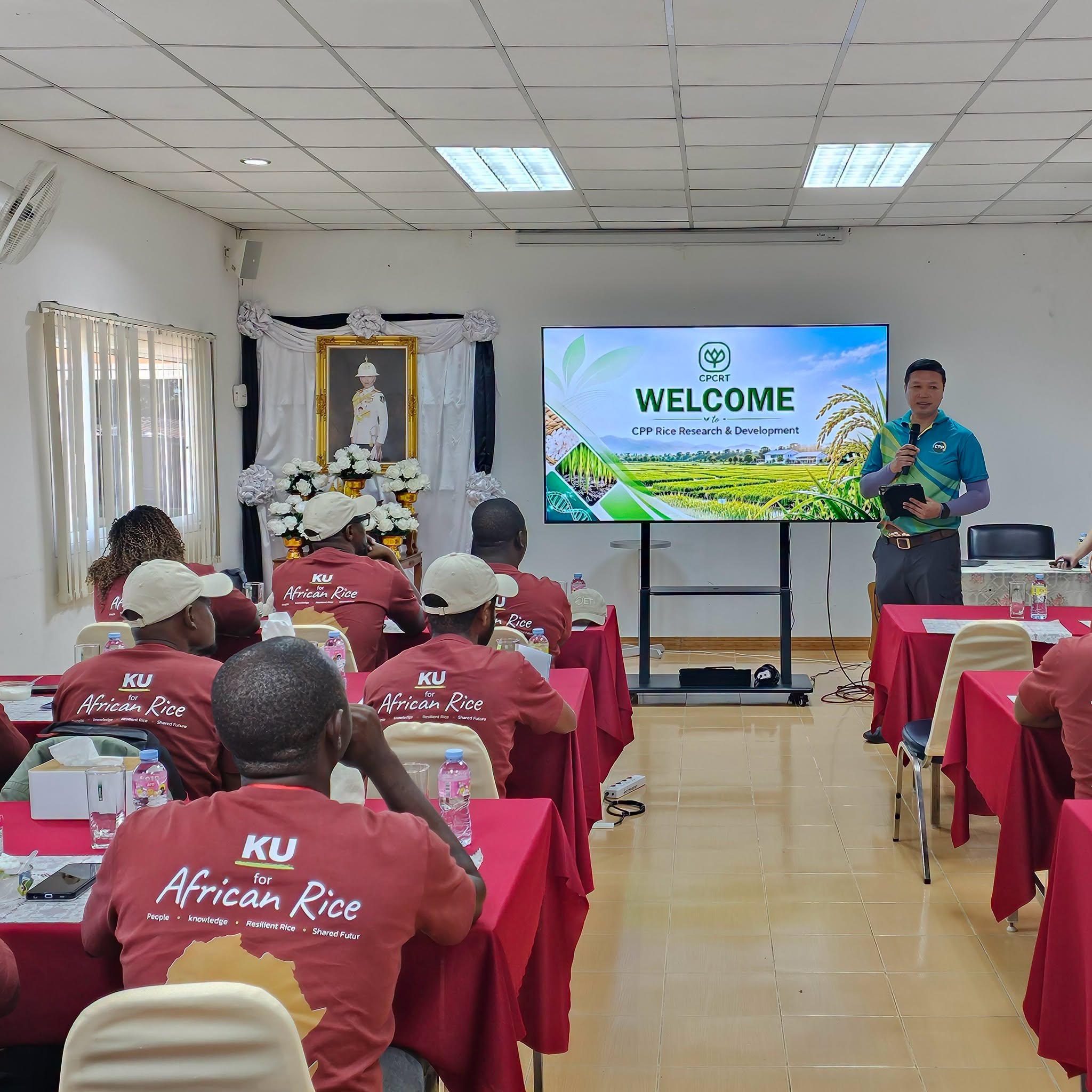
The international training course “Rice Production Technologies for Food Security and Sustainability of African Countries 2026 Batch 3”, organized by the Kamphaeng Saen Extension and Training Center at Kasetsart University in collaboration with JICA and TICA, brought participants to learn about the vital mission of the Phitsanulok Rice Research Center in driving rice research and knowledge management to improve the quality of life and yields for farmers in the lower northern region.
Key Missions of Phitsanulok Rice Research Center:
◼︎Rice Research and Varietal Improvement: Breeding and improving rice varieties for high yields, strong stalks, resistance to blast disease, bacterial leaf blight, and brown planthoppers, as well as tolerance to drought and floods.
◼︎Production of Breeder and Foundation Seeds: Producing early-generation seeds with high genetic purity to supply rice seed centers and community rice centers for further multiplication.
◼︎Promoting and Distributing Quality Seeds: Campaigning for the use of certified seeds to reduce off-type rice (weedy rice) and seed-borne diseases, elevating community rice centers to produce quality seeds locally, and providing purity and germination testing services for farmers.
Reflections from Participants: Following the study visit, the delegate from Nigeria summarized key takeaways to apply in the future:
◼︎Focus on High-Quality Early Generation Seeds: Emphasizing the production of over 230 metric tons of breeder and foundation seeds with standardized seed preparation processes.
◼︎Strict Quality Control in Seed Production: Prioritizing rogueing (removal of off-type plants) across 4 key stages: seedling, tillering, flowering, and pre-harvesting to ensure genetic purity.
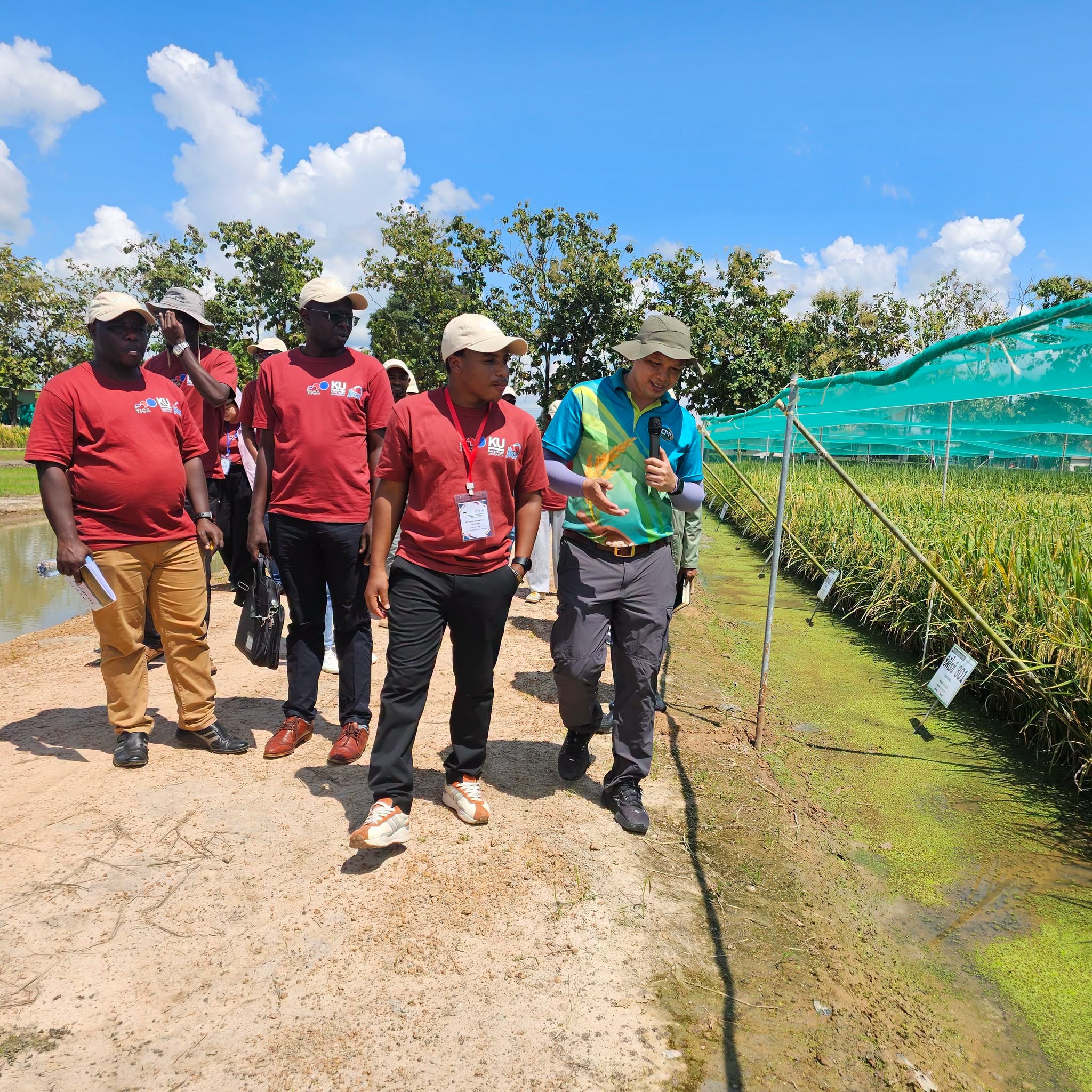
◼︎Modern Innovation and Technology: Touring the seedling nursery, agricultural machinery exhibition zone, seed processing center, and experimental plots.
◼︎Driving Low-Carbon Rice Paddies: Emphasizing land leveling, Alternate Wetting and Drying (AWD) water management, and stubble management to support carbon credit initiatives.
This study visit helps build international cooperation networks and prepares participants to tackle future agricultural challenges sustainably.
Views: 24

